The Real Pros & Cons of Homeschooling
An Honest Look from a Homeschool Mom
Let’s Talk Honestly
When people find out I’m a homeschooling mom, I usually get one of two reactions. There’s the “Oh, that’s amazing, good for you!” and then there’s the quieter “oh…” paired with a look that clearly says, Are you sure you’re not a little crazy?
Not long after that comes the question I hear the most: “Why did you choose to homeschool?”
Here’s the honest truth, before 2021, I never imagined I’d be a homeschooling mom. It wasn’t part of the plan. And even now, years into this journey, I still don’t have everything figured out. I don’t have all the answers. Some days feel confident and full. While other days feel messy and uncertain. And you know what? That’s okay.
This post exists for one simple reason: to give you a real, no-sugarcoating, no-scare-tactics look at homeschooling. It isn’t perfect. It has beautiful highs and very real challenges. They both deserve to be talked about honestly.
If you’re a mom who’s curious about homeschooling, in your first few years and second-guessing yourself, or simply needing reassurance that you’re not “doing it wrong,” this post is for you. I’m sharing the real pros and cons of homeschooling based on our own experiences. Not to convince you, but to help you feel informed, encouraged, and less alone as you figure out what’s best for your family.
The Real Pros of Homeschooling
Flexible Schedules That Fit Real Life
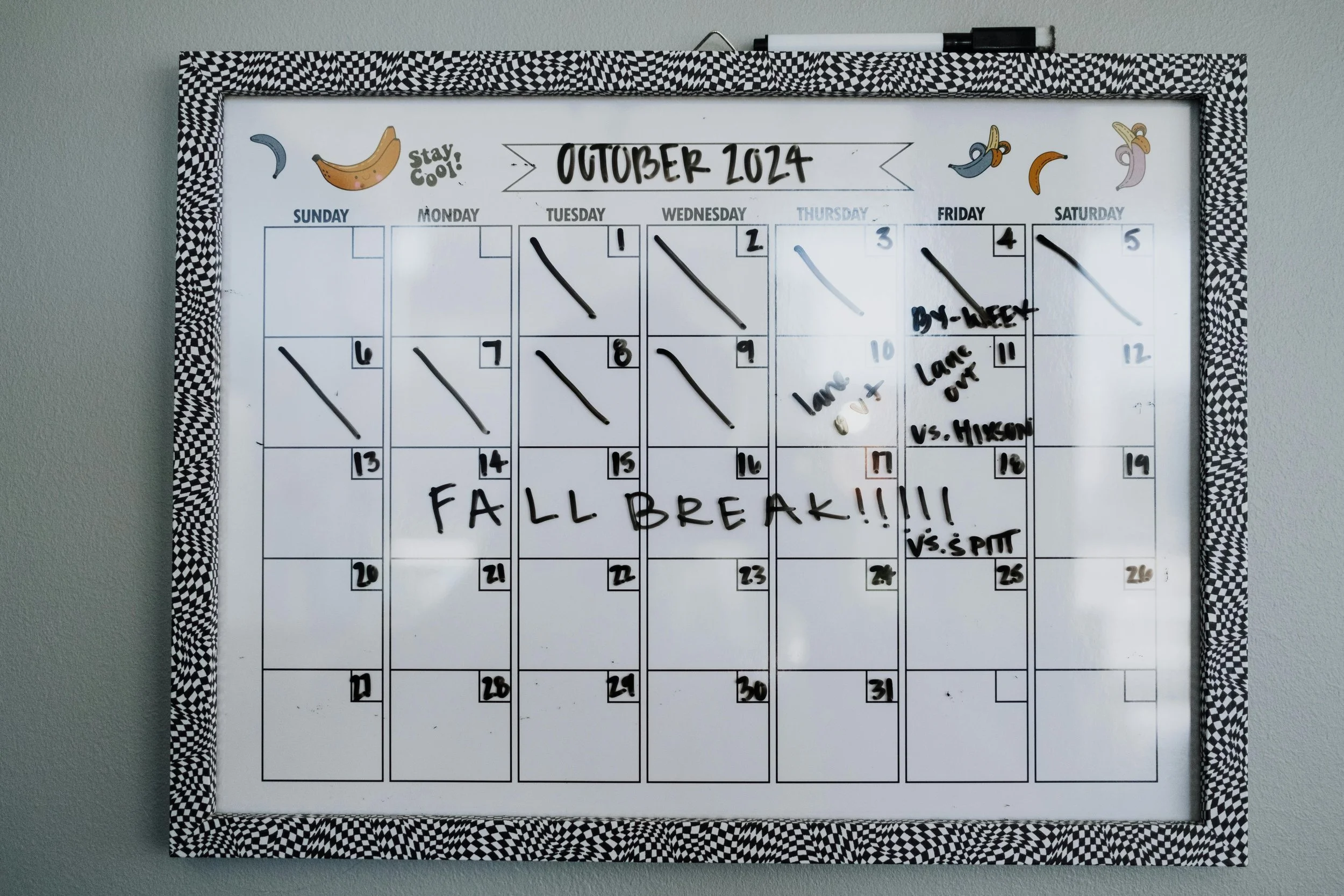
Learning at home doesn’t have to happen in a typical 8–3 school day. One of the biggest benefits of homeschooling is the ability to create a schedule that works with your family’s natural rhythm, not against it.
Some days learning happens in short, focused blocks. Other days it’s spread out, happens later in the afternoon, or even on a weekend. When there’s a rough night of sleep, a sick child, or life simply happens, we’re able to adjust without “falling behind.”
Homeschooling also makes it easier to plan around real-life responsibilities. Doctor appointments don’t mean missed lessons or stressful catch-up days. This flexibility is especially helpful for families with newborns, children with special needs, or anyone navigating frequent appointments.
As a farming family, this flexibility has been invaluable. Our schedule naturally shifts with the seasons, and homeschooling allows us to adapt our learning during busy times and slower ones. We can also plan vacations and field trips during off-peak times, turning those experiences into meaningful learning moments rather than interruptions.
Homeschooling reminds us that learning doesn’t have to fit into a rigid schedule. It can happen in everyday moments, in different seasons, and in ways that support our family instead of overwhelming it.
Stronger Family Relationships
One of the biggest gifts we’ve noticed as a family is how much stronger our connection has become. We simply have more time together. Even with my daughter’s busy dance schedule, we still see each other and spend time together every day. Most mornings, we’re able to sit down and eat breakfast together. Something that once felt nearly impossible.
Although I’m currently homeschooling one child, I’ve heard the same thing echoed by families who homeschool multiple children. Siblings often form deeper bonds because they spend more time together, learn side by side, and aren’t separated by grade levels. When we spend time with other homeschool families, I love watching my daughter play with kids of all ages. Not just those who would be in her class.
Homeschooling also opens the door to shared learning experiences. Family-style studies allow everyone to explore the same topic, which leads to conversations that wouldn’t typically happen in a traditional school setting. Those discussions, along with the inside jokes, shared memories, and everyday moments have become some of the most meaningful parts of our homeschool journey.
We have grown so much closer as a family in the last 5 years. Only regret is we didn’t start homeschooling sooner.
Learning at Your Child’s Pace
This was the biggest reason we chose to homeschool. I started to see my youngest daughter struggle in school in the same ways my oldest daughter and I had. When we made the decision to homeschool, she was technically supposed to begin third grade, but I knew she wasn’t ready.
In our experience, third grade is often the transition from learning to read to reading to learn. Her reading skills weren’t quite there yet, while her math skills were strong. In a traditional classroom, that could have meant repeating an entire grade because of one subject. Even though she was excelling in others.
I’m not saying repeating a grade is always a bad thing. In some situations, it can be helpful. But depending on a child’s age, personality, and school environment, it can also be discouraging. On the other hand, some children learn quickly and become bored when they’re forced to wait.
Homeschooling removes that pressure. There’s no rushing and no holding back. Each subject can move at the pace your child needs. There’s no “behind” or “ahead”, just progress.
We’ve had days where we spent two or three days on a single math lesson because the concept wasn’t clicking. And that was okay. Math builds on itself, and I didn’t want her to simply complete the lesson. I wanted her to understand and master it before moving on. The curriculum became a guide, not the boss, and that freedom made all the difference.
Dive Deep Into a Subject
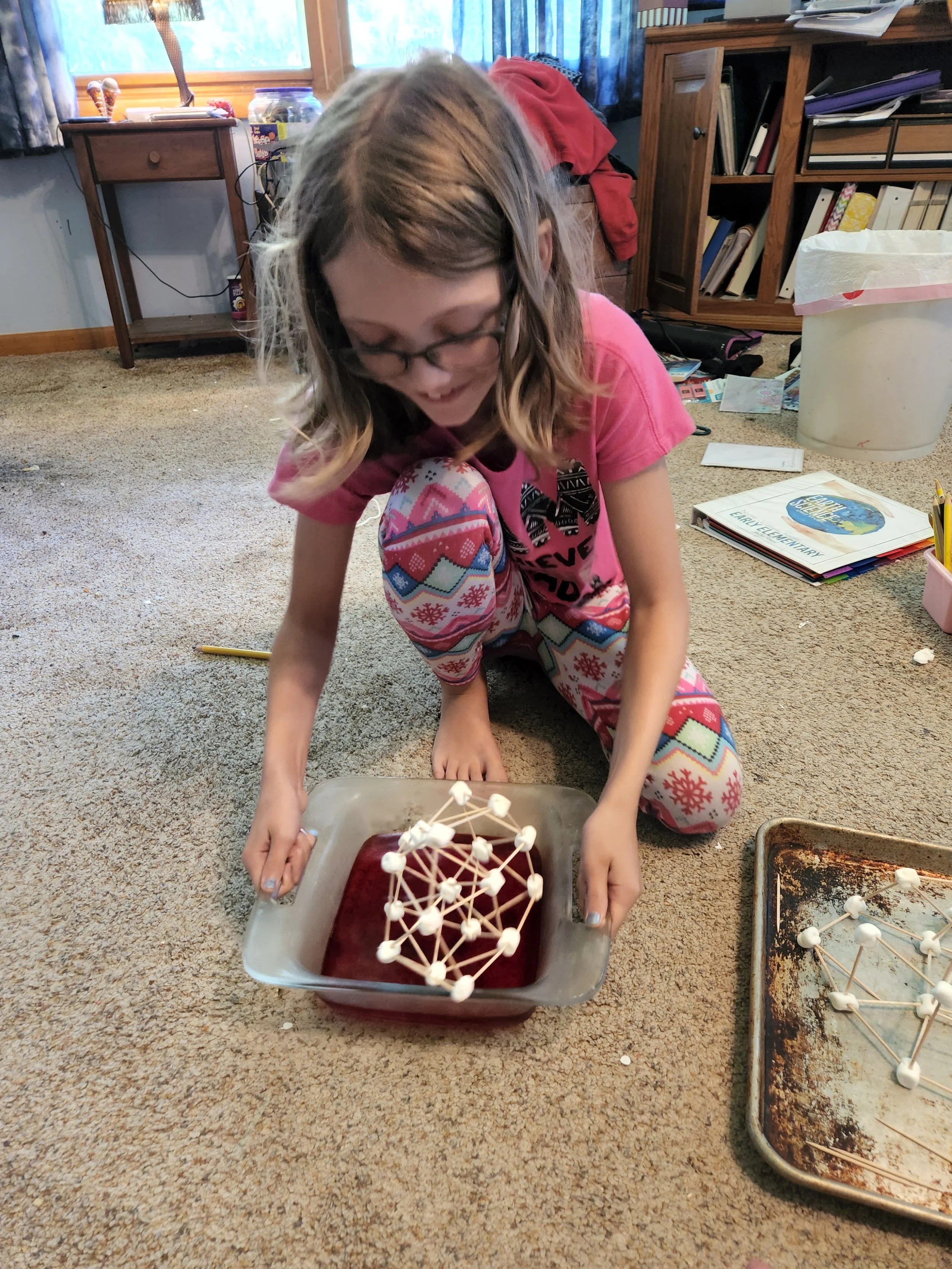
We had so much fun doing this Earth Science Unit Study. Even though you could do one lesson a day, we dove deep in and absorbed the information.
Freedom to Teach What Matters to Your Family
When my husband and I sat down to talk about our daughter’s education, we didn’t start with grade levels or test scores. We started with a much bigger question: What skills and values do we want her to have by the time she turns 18?
We wanted her to have a strong Christian foundation, an appreciation for our country and her rights, practical life skills to live independently, and an entrepreneurial mindset that encourages creativity and problem-solving.
After honestly looking at our options, neither public nor private school felt like the right fit for our goals. Homeschooling gave us the freedom to intentionally choose what our daughter will graduate from our home knowing, not just academically, but practically and personally.
Learning in our home doesn’t stop at a desk. It happens through daily life: cooking, budgeting, homemaking, homesteading, and real-world application. These aren’t “extra” subjects; they’re part of the education we value most.
Homemade is Learning
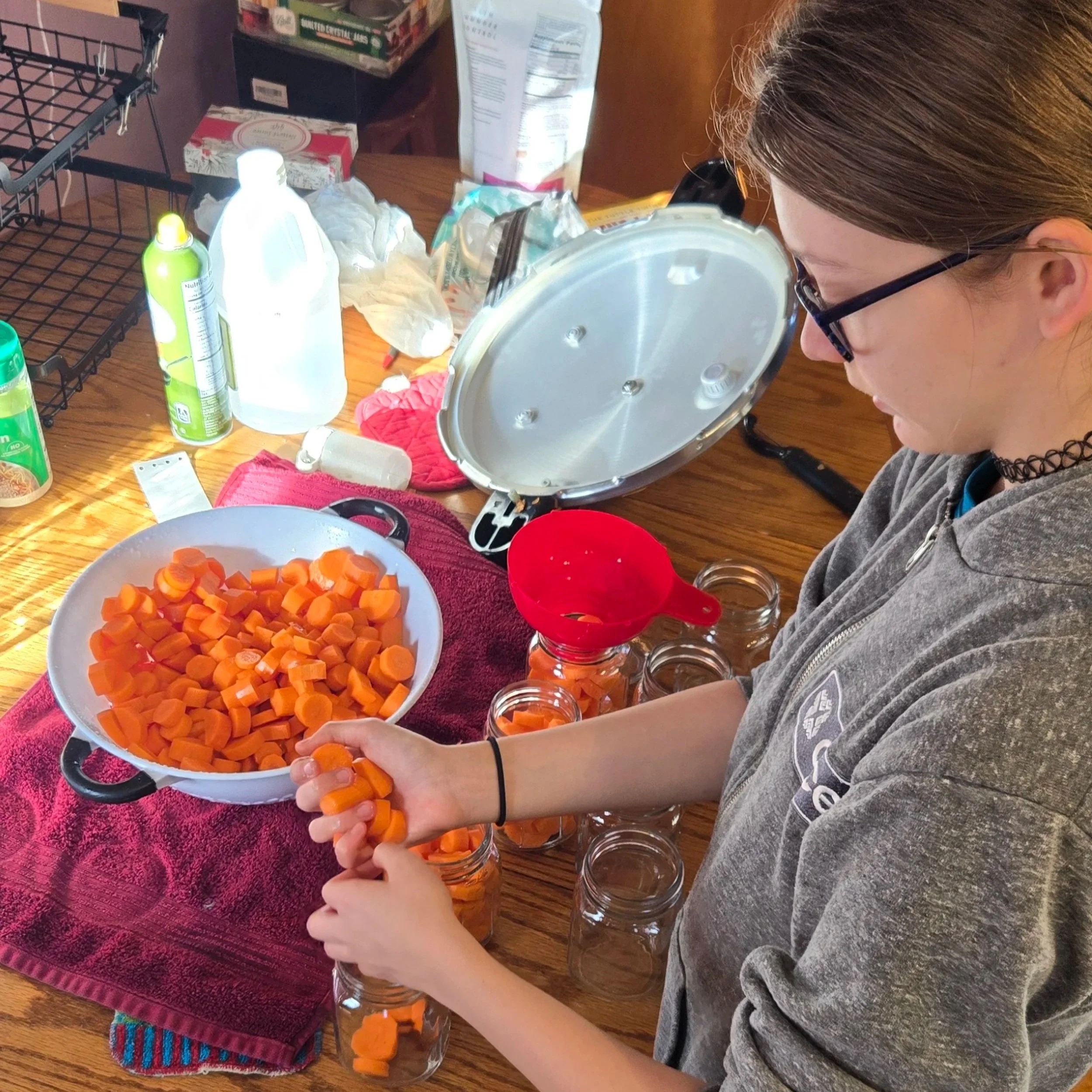
Since we started our homesteading journey, this has opened up a whole other opportunity for learning. I’m creating a whole new series: Homemade on Purpose sharing how you can incorporate homemade into homeschool.
Fewer Burnout Triggers for Kids
Homeschooling also allows for fewer burnout triggers. When you’re not locked into a rigid schedule, you can take breaks when they’re needed instead of pushing through out of obligation.
Life still happens. Different seasons bring different challenges. If you or your children need a pause, learning doesn’t have to stop. It may just need to look different for a while.
That pivot might be a nature hike, a field trip, crafts, or interest-led learning. These moments give children room to breathe, explore, and stay curious without constant pressure, testing stress, or comparison. With fewer stressors, kids, and parents are better able to enjoy learning again.
The Real Cons of Homeschooling (Let’s Be Real)
Socialization Takes Intentional Effort
This is the biggest concern I hear from people when they learn we homeschool. In traditional school settings, socialization happens naturally. With homeschooling, it doesn’t happen automatically, it requires intention.
That doesn’t mean it’s missing, it just looks different. Homeschool families often seek out social opportunities through co-ops, church groups, sports, and community activities. These environments allow children to interact with different ages and personalities.
There are also seasons when homeschooling can feel isolating, especially for moms who are home with their children every day. That’s why building community for yourself is just as important as finding activities for your kids.

Financial Trade-Offs
Homeschooling often comes with financial trade-offs. Many families operate on one income or adjust work schedules to make homeschooling possible. Curriculum costs money, and activities and extras can add up. Not just financially, but in time and energy.
That said, homeschooling doesn’t have to be expensive. Buying used curriculum, borrowing resources, and using free or low-cost materials can make a big difference. With planning and flexibility, homeschooling can be far more affordable than it first appears.
If budgeting for homeschool feels overwhelming, I highly recommend checking out resources from Joyful Noise Learning. Ashley, a former English teacher who homeschools her three children, shares practical encouragement and budget-friendly ideas. Her videos on buying used curriculum and finding free or inexpensive homeschool resources are especially helpful for families trying to keep costs manageable.
Financial trade-offs are real, but with planning, creativity, and the right resources, homeschooling can be more affordable than it first appears.
Self-Doubt Is Part of the Journey
If you’re the first in your family to step outside the traditional school path, self-doubt is almost guaranteed. The questions come quickly: Am I doing enough? Am I messing this up? Will my kids fall behind?
Comparison, especially to public school benchmarks or online, can steal confidence fast. One resource that helped reshape my thinking is However Imperfectly by Andrew Pudewa. It reminded me that growth doesn’t happen in a straight line, and imperfect teaching can still lead to capable adults.
There Are Hard Days (Sometimes Hard Weeks)
Not every homeschool day is smooth. Kids resist learning. Parents get tired. Life interrupts plans. Homeschooling doesn’t magically fix everything and that doesn’t mean you’re failing.
Sometimes hard days don’t require quitting or pushing harder. They require a shift. That’s why I created the Low-Demand Learning Day Guide to help families pivot without guilt and still feel like learning happened.
What No One Tells You (But Should)
Homeschooling isn’t meant to look like school at home. You’re allowed to create your school. You can change curriculum, schedules, and methods when something isn’t working.
Progress doesn’t always look academic. Some of the biggest wins include: confidence, independence, and life skills. These can’t be measured on paper and they matter too.
Is Homeschooling Worth It?
Is homeschooling worth it? The honest answer is… It depends on your family, your season, and your support system.
It doesn’t have to be all-or-nothing forever. Many families reevaluate year by year. Flexibility is one of homeschooling’s greatest strengths.
Encouragement for the Mom Reading This
Choosing to homeschool is a big decision, and you don’t have to have it all figured out right away. Start small. Learn as you go. Adapt when needed.
Homeschooling isn’t about perfection. It’s about building family bonds, nurturing a love of learning, and doing what feels right for your family in this season.