Why We’re Choosing Homemade This Year (and How You Can Start Small)
If someone had told me 18 months ago that I’d be the mom and wife making homemade bread, boxed mixes, salad dressings, even canning and truly enjoying it. I would have thought they were crazy.
Homemade felt like something other people did. People with more time. More energy. More experience.
But one simple conversation changed everything.
How Our Homemade Journey Began
One night, my husband and I were talking about his childhood when he mentioned how his grandma used to make homemade bread. He talked about how much he loved the smell filling the house with warmth and comforting. That memory stuck with me, and on a whim, I decided to try making bread myself.
To my surprise, it was much easier than I expected. I loved the smell, but the taste truly amazed me. That one small loaf of bread turned into homemade hot cocoa mix, salad dressings, and slowly replacing everyday store-bought items with homemade versions.
Everything we made tasted better than what we’d been buying. And as a mom, it felt empowering to have more control over what I was feeding my family.
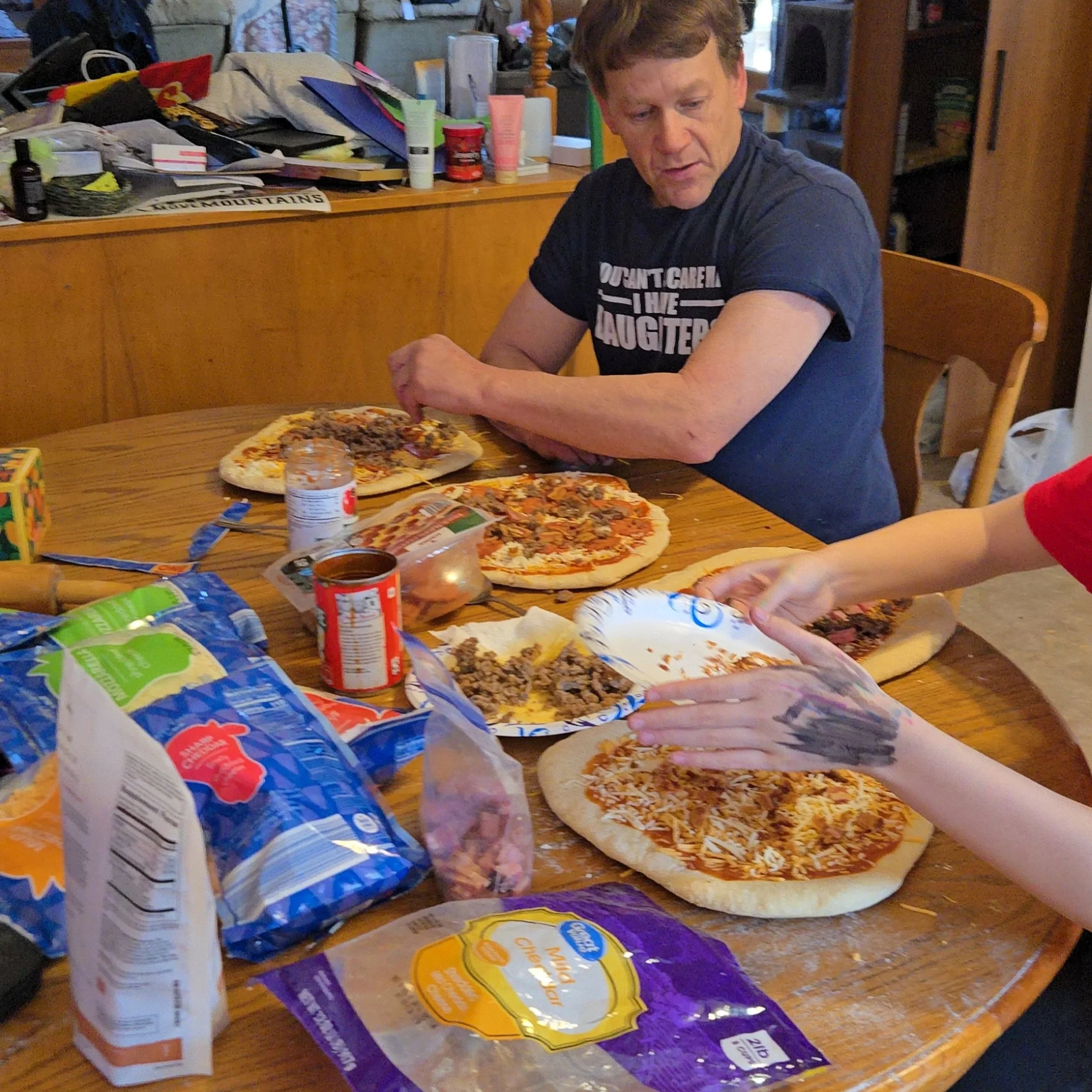
Using that same bread recipe, we were able to make delicious homemade pizzas.
“I Don’t Have Time” - A Common Myth
As a work-from-home and homeschooling mom, I genuinely believed I didn’t have time to make things from scratch. Our days were already full. But what I quickly realized was that homemade doesn’t take nearly as much time as I thought. Especially when you start small.
That realization made me wonder how many other moms feel curious about making homemade household or pantry items, but don’t know where to begin or how it could possibly fit into homeschooling.
This post is the first in a series where I’ll be sharing why we’re choosing homemade this year, the benefits we’ve experienced, and how you can turn simple homemade projects into meaningful homeschool learning.
Peace of Mind: Knowing What You’re Feeding Your Family
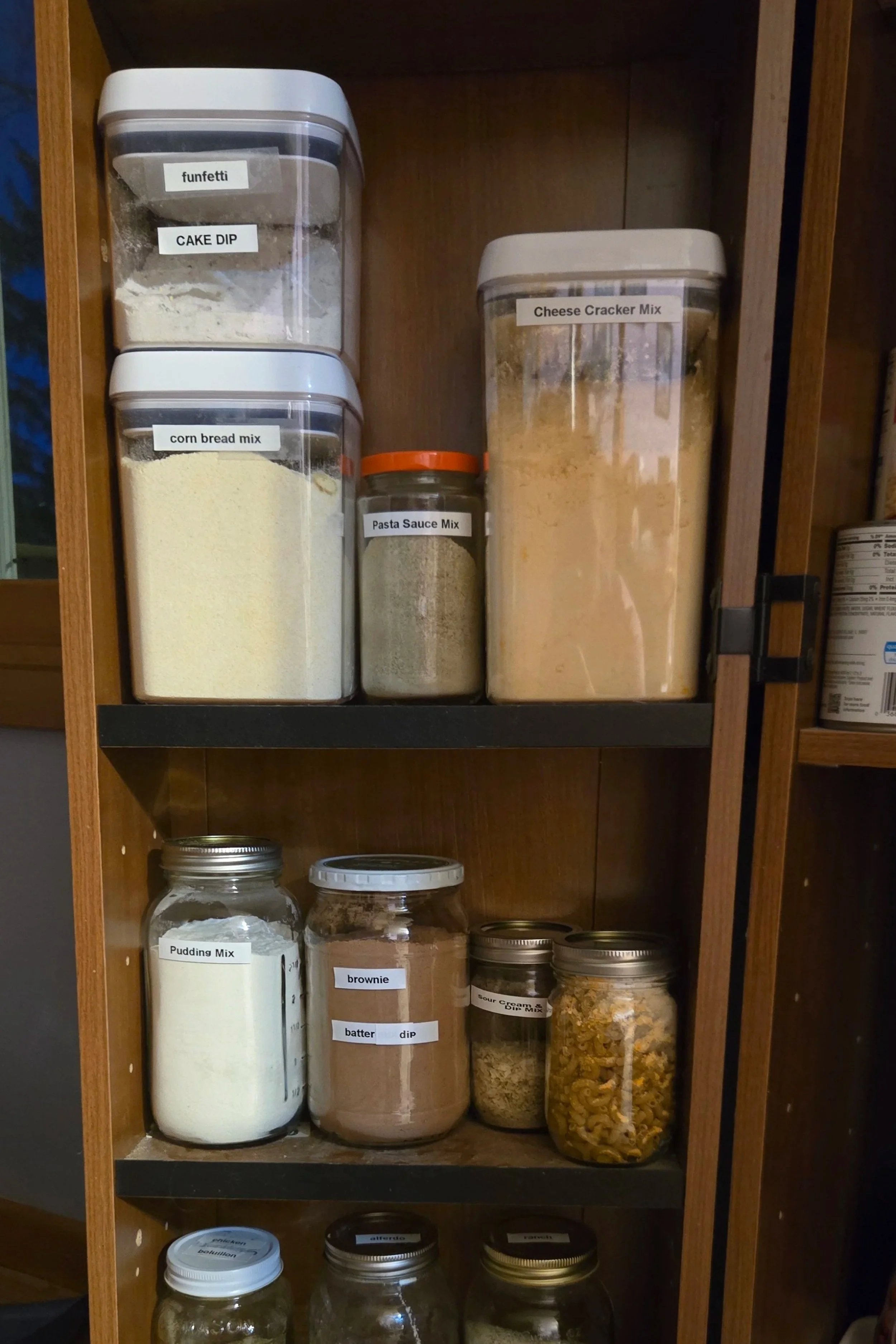
More and more families are becoming aware of what’s actually in their food. I was raised to shop based on price. We lived paycheck to paycheck, and every dollar mattered. I carried that mindset into adulthood, which isn’t a bad thing, until I started comparing ingredient labels side by side.
That’s when I realized it wasn’t apples to apples.
Cheaper products often came with fillers, preservatives, and ingredients I couldn’t pronounce. Suddenly, the price difference made sense. That’s when I began asking myself: is this something we could afford to buy higher quality or something I could make at home instead?
Many everyday foods are surprisingly easy to make. As a mom, there’s something incredibly reassuring about feeding my family real food made with simple ingredients. No fillers. No mystery ingredients. Just food I recognize and trust.
And for families with dietary restrictions or sensitivities, homemade offers something invaluable: control. You choose what goes in and what stays out.
Better Taste and Real Savings
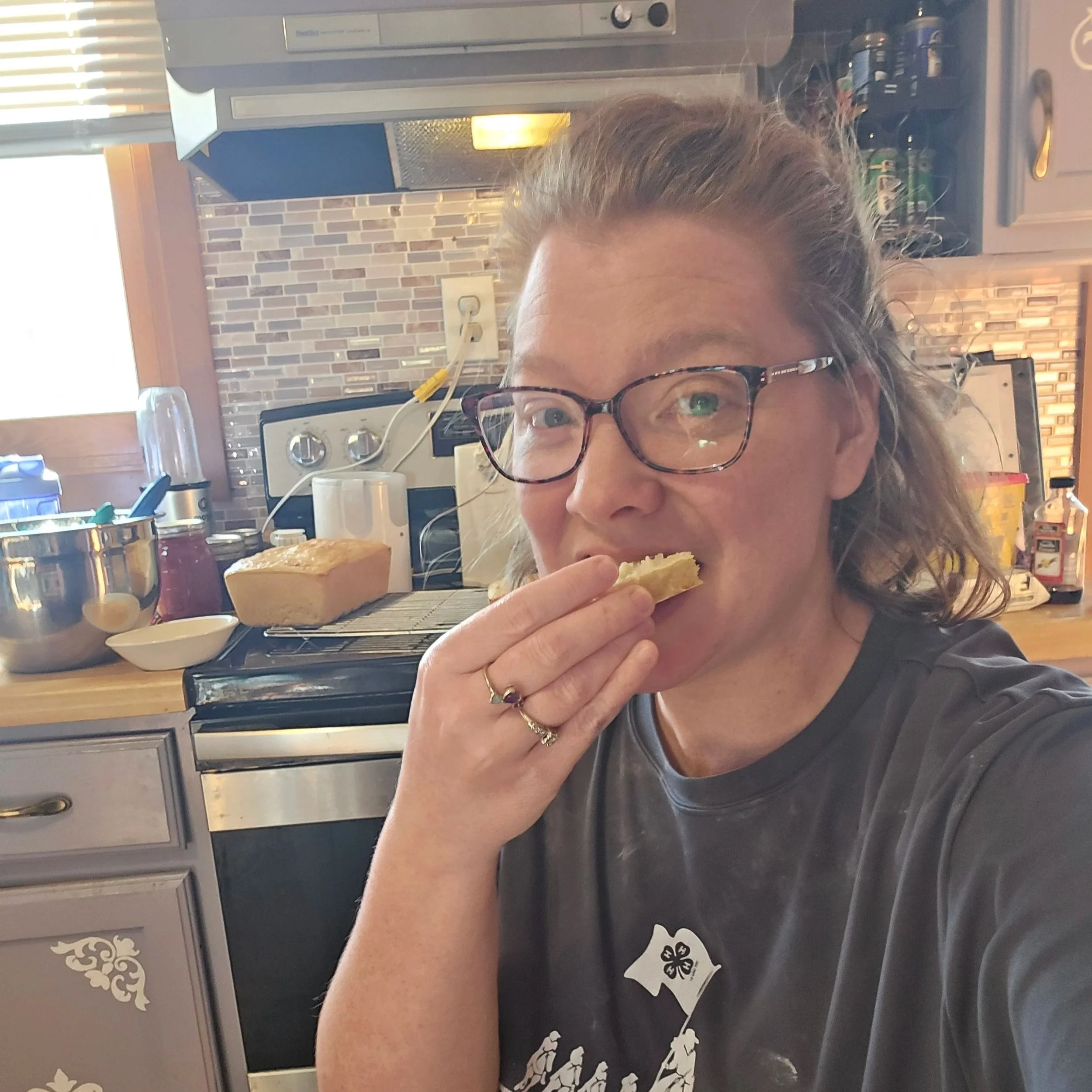
On this morning was covered in flour after making bread and pasta for the freezer. Just had to sneak a piece of that fresh warm bread.
One unexpected benefit of making food from scratch has been the taste.
Take cornbread, for example. I never liked it, mostly because it always came from a box. I didn’t know anyone who made cornbread from scratch. My daughter, however, loves it. When we found a simple homemade recipe, she was excited to make it herself.
After she baked it, I tried a bite, and then another. I couldn’t stop eating it. Even my husband, who also claimed he didn’t like cornbread, loved it.
The difference between ultra-processed foods and homemade versions is remarkable. Everything we’ve made so far has tasted better than store-bought.
And then there’s the savings.
Bread is a great example. Most homemade bread recipes use just a few ingredients: flour, yeast, eggs, and water. At my local store, those ingredients can make around 10 loaves of bread for about $1.40 per loaf, compared to $2 or more per loaf at the store.
For families who go through a lot of bread, those savings add up quickly.
Turning Homemade Into a Homeschool Family Project
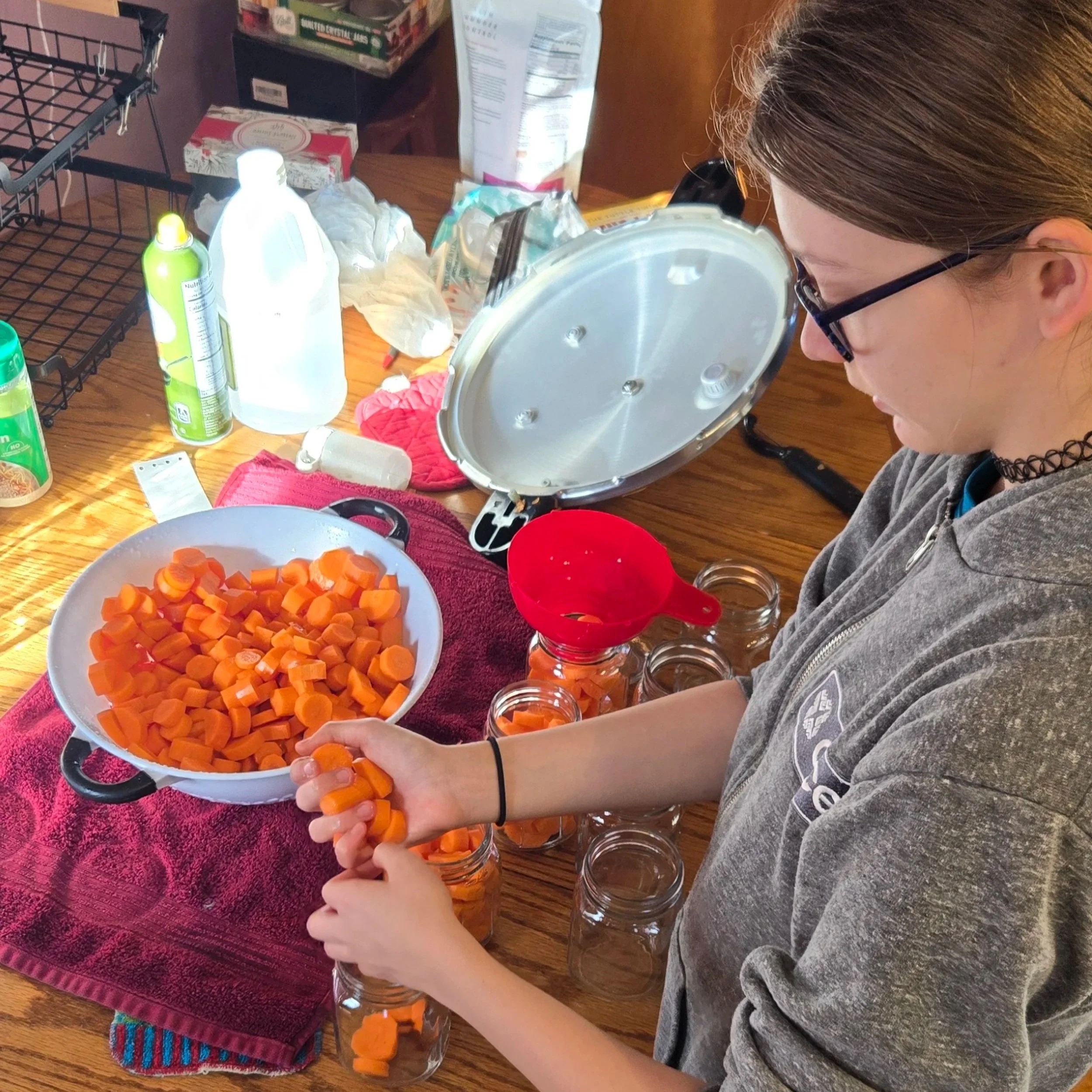
This has sparked a new interest in our daughter and new conversations.
One of the greatest joys of this journey has been turning homemade into a homeschool family project.
My daughter loves seeing how the food she eats is made and being part of the process. Without realizing it, she’s learning core subjects through real-life experiences:
Math: measuring, fractions, and budgeting
Reading: recipes and step-by-step instructions
Science: mixing, heating, and observing changes
Life Skills: responsibility, patience, and confidence
Cooking is a practical life skill our children will need as adults. But beyond that, we’re creating meaningful memories together. Ones I hope she’ll pass down to her own family someday. Just like my husband remembers his grandma’s bread.
Start Small: Homemade Is a Lifestyle, Not a Checklist
Homemade doesn’t have to be all or nothing. You don’t need to overhaul your kitchen or make everything from scratch. It starts with one simple recipe. One swap. One small step.
This post is just the beginning of our Homemade on Purpose series. In the posts to come, I’ll be sharing specific homemade swaps, budget-friendly ideas, and simple ways to turn everyday life into meaningful homeschool learning, without adding stress to your days.
Sometimes, the smallest changes create the biggest impact.