Homeschooling vs Public School: The Emotional and Social Pros & Cons for Kids
When parents compare homeschooling vs public school, the conversation often centers around academics, test scores, and curriculum. But education shapes far more than grades. It also influences a child’s character, confidence, emotional development, and social growth—the things that don’t always show up on a report card.
Many parents considering homeschooling wrestle with questions like:
Will my child feel isolated?
Will they develop confidence?
Will they struggle socially?
Could homeschooling affect our relationship as parent and child?
In this post, we’ll explore the pros and cons of the emotional and social impact of homeschooling vs public school, helping you look beyond academics to see how different learning environments can shape a child’s identity, confidence, relationships, and long-term development.
Emotional Development: Where Confidence Is Formed
Emotional Pros of Public School
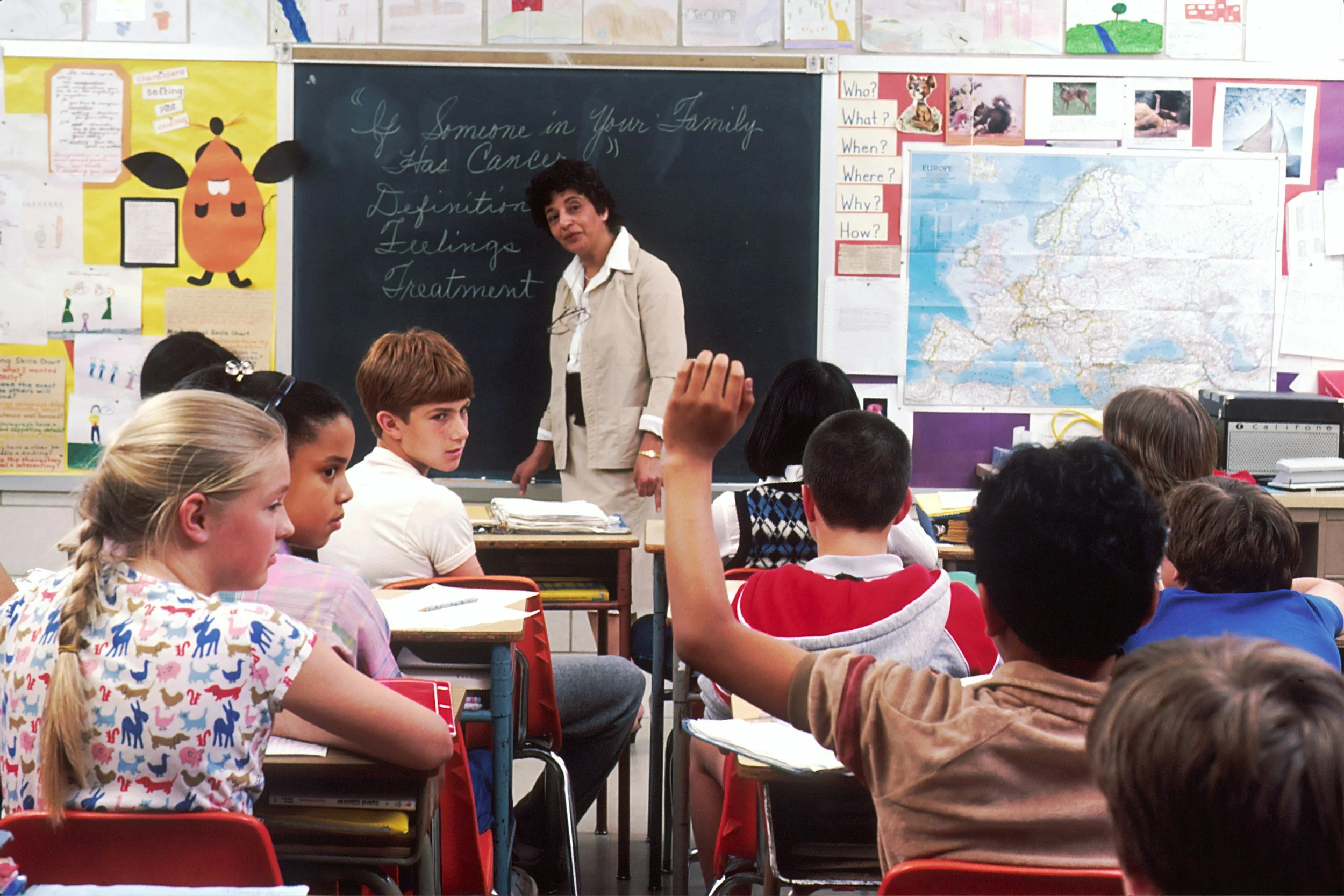
Public school can offer meaningful emotional growth opportunities because children interact daily within a structured community.
Students are exposed to different personalities, perspectives, and communication styles, which helps them learn how to interact with a wide variety of people. They also learn to navigate structured authority, working with multiple teachers and following classroom expectations that build discipline and responsibility.
Public school can also encourage early independence. Children learn to manage schedules, complete assignments, and solve problems during the school day. In addition, group projects, team sports, and classroom activities give students opportunities to collaborate, communicate, and build confidence working with peers.
Emotional Cons of Public School
At the same time, large classroom environments can create emotional challenges for some children.
One common struggle is the culture of comparison. When students are learning alongside many peers, it can be easy to compare grades, abilities, and progress. This can sometimes lead to labels such as advanced, average, or behind, which may unintentionally shape how children view their own abilities.
Students may also experience peer pressure at younger ages, since they spend many hours each day surrounded by peers who influence behavior, interests, and attitudes.
Additionally, because teachers are responsible for many students at once, there can be limited one-on-one emotional support, even with caring educators who genuinely want to help each child succeed.
Emotional Pros of Homeschooling
One of the biggest emotional benefits of homeschooling is the ability for children to learn at their own pace. Without the pressure of keeping up with an entire classroom, students can take the time they need to understand concepts fully.
Homeschooling also removes much of the public comparison that often occurs in traditional classrooms. Progress happens privately, allowing children to grow without constantly measuring themselves against peers.
Mistakes can also be handled in a safe and private environment, helping children see challenges as part of the learning process rather than something to feel embarrassed about.
Because parents are closely involved, homeschooling also allows for intentional confidence building. Parents can guide, encourage, and support their child while focusing on strength-based learning, helping children develop their natural interests while receiving support in areas that need improvement.
Emotional Cons of Homeschooling
While homeschooling offers many emotional advantages, it also comes with challenges.
Because the learning environment is centered at home, a parent’s mood or stress level can affect the tone of the day. On difficult days, emotions may feel more noticeable since the parent is both caregiver and teacher.
Homeschooled children may also receive fewer daily affirmations from outside adults, such as teachers or coaches, unless families intentionally seek those opportunities through activities or community involvement.
Spending large amounts of time together can also make conflict days feel more intense, and disagreements over schoolwork or expectations can sometimes feel amplified.
Finally, homeschooling requires intentional emotional modeling. Children are constantly observing how parents handle stress, mistakes, and challenges, which means parents must be mindful about modeling healthy emotional responses.
At the end of the day, a child’s confidence isn’t built by the size of the crowd around them. True confidence grows when a child feels seen, understood, and supported.
Influence: Who Shapes Them Most?
Influence in Public School
In a public school setting, children are influenced by many people and environments throughout the day. Teachers, peer groups, school culture, and even social or media trends circulating among students can shape how children think and behave.
Pros
One benefit is exposure to diverse perspectives, backgrounds, and experiences. This helps students learn to communicate with many different types of people and interact with individuals who may hold different beliefs.
Cons
However, spending many hours surrounded by peers can sometimes lead to peer-driven identity formation, where children shape their interests and behavior around what is socially accepted. Because parents are not present during the school day, it can also be harder to filter daily influences.

Influence in Homeschooling
In homeschooling, parents often serve as the primary guides in both education and influence.
Because learning happens within the home, parents can have real-time conversations about beliefs, values, and worldview as questions naturally arise. Character guidance can happen in the moment, and family values can be reinforced throughout everyday learning.
Pros
This allows for intentional influence and strong value alignment, as learning and character development are closely connected.
Cons
However, this responsibility requires intentional effort and maturity from parents. Additionally, homeschool students may have fewer daily interactions with other adult mentors unless families intentionally seek out opportunities through co-ops, sports, church, or community activities.
Socialization: Quantity vs Quality
“But What About Socialization?”
One of the most common questions parents hear about homeschooling is: “But what about socialization?”
Socialization, however, is not simply sitting in a classroom with 25 children the same age. True social development involves communication, conflict resolution, relationship building, and interacting with people of different ages and backgrounds.
Public School Social Structure
Pros
Public school provides daily peer interaction, allowing students to regularly practice communication and social skills. Activities such as team sports, clubs, and group projects also help children learn teamwork and large-group dynamics.
Cons
However, students are typically grouped with same-age peers, which limits interaction with different age groups. Social environments can also develop popularity hierarchies, where some students feel excluded. In some cases, students may focus more on fitting in socially than forming healthy relationships, and larger peer groups can increase the risk of bullying or negative social experiences.
Homeschool Social Structure
Homeschool social experiences often look different because they are built intentionally through community involvement and everyday life.

Pros
Homeschooled children often develop multi-age friendships, interacting with both younger and older individuals. They may also experience more real-world interaction through errands, volunteering, co-ops, church groups, or sports teams.
Families can also create intentional social circles that support positive relationships and shared values. Because homeschool students often interact with adults regularly, many develop strong adult communication skills.
Cons
However, these opportunities typically require intentional effort from parents. Social experiences are not automatically built into the daily schedule, and without a strong homeschool community, families may sometimes feel isolated.
Family Bond & Long-Term Relationship
Public School Family Dynamic
In public school, much of a child’s day happens outside the home.
Pros
This separation can help children develop independence and form their own identity as they learn to navigate responsibilities and relationships away from their parents.
Cons
However, it can also mean limited daytime connection. Most interaction happens in the mornings, evenings, and weekends, and many children return home mentally and emotionally tired, making deeper conversations harder.
Homeschool Family Dynamic
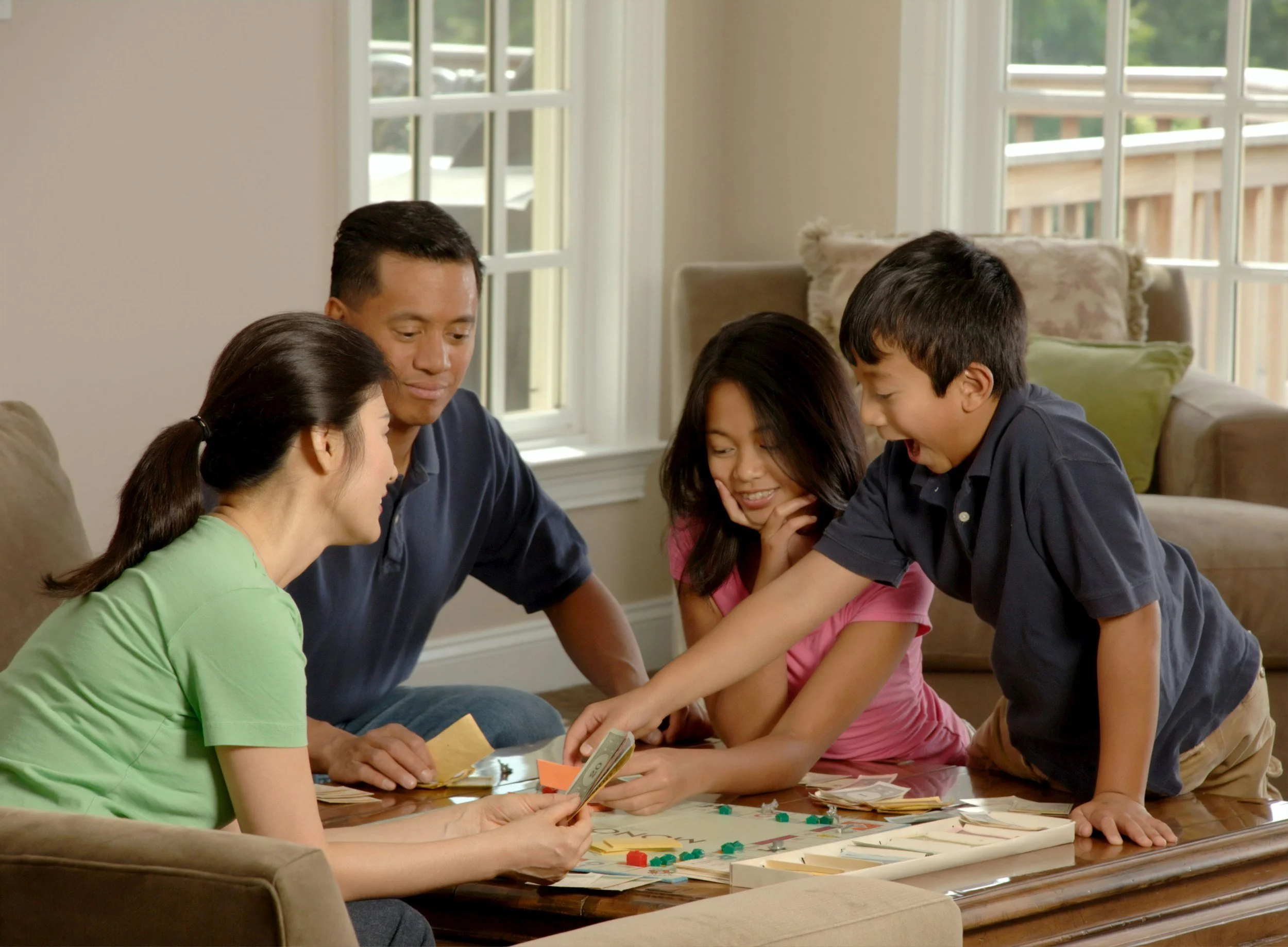
Homeschooling creates a different rhythm for family relationships.
Pros
Families share more daily experiences, from learning together to exploring interests. These shared moments often build strong bonds, meaningful conversations, and even simple things like inside jokes and shared discoveries.
Homeschooling also allows flexibility during difficult seasons and can strengthen sibling relationships, since children spend more time learning and growing together.
Cons
However, constant proximity can sometimes feel overwhelming, making it important for families to create healthy boundaries and allow time for independence and outside activities.
Reflective Questions for Moms
As you think through the emotional and social impact of different education choices, it can be helpful to step back and look at your child as an individual. Instead of focusing only on what others say works best, consider what environment helps your child thrive.
Ask yourself a few simple questions:
Where does my child thrive emotionally?
Do they do better with structure or flexibility?
Do they wilt under comparison, or are they motivated by it?
What type of environment best supports their personality and learning style?
Every child is different, and the right choice often comes down to understanding your child’s unique needs.
Education is not just about information. It’s about formation.
It shapes how children see themselves, how they build relationships, and how they grow into adulthood.
No education path is perfect. But remember, you are not choosing perfect—you are choosing intentional. When parents stay involved, supportive, and aware of their child’s needs, both homeschooling and public school can provide opportunities for healthy emotional and social development.
If you're exploring the bigger picture of education choices, the conversation doesn’t stop here.